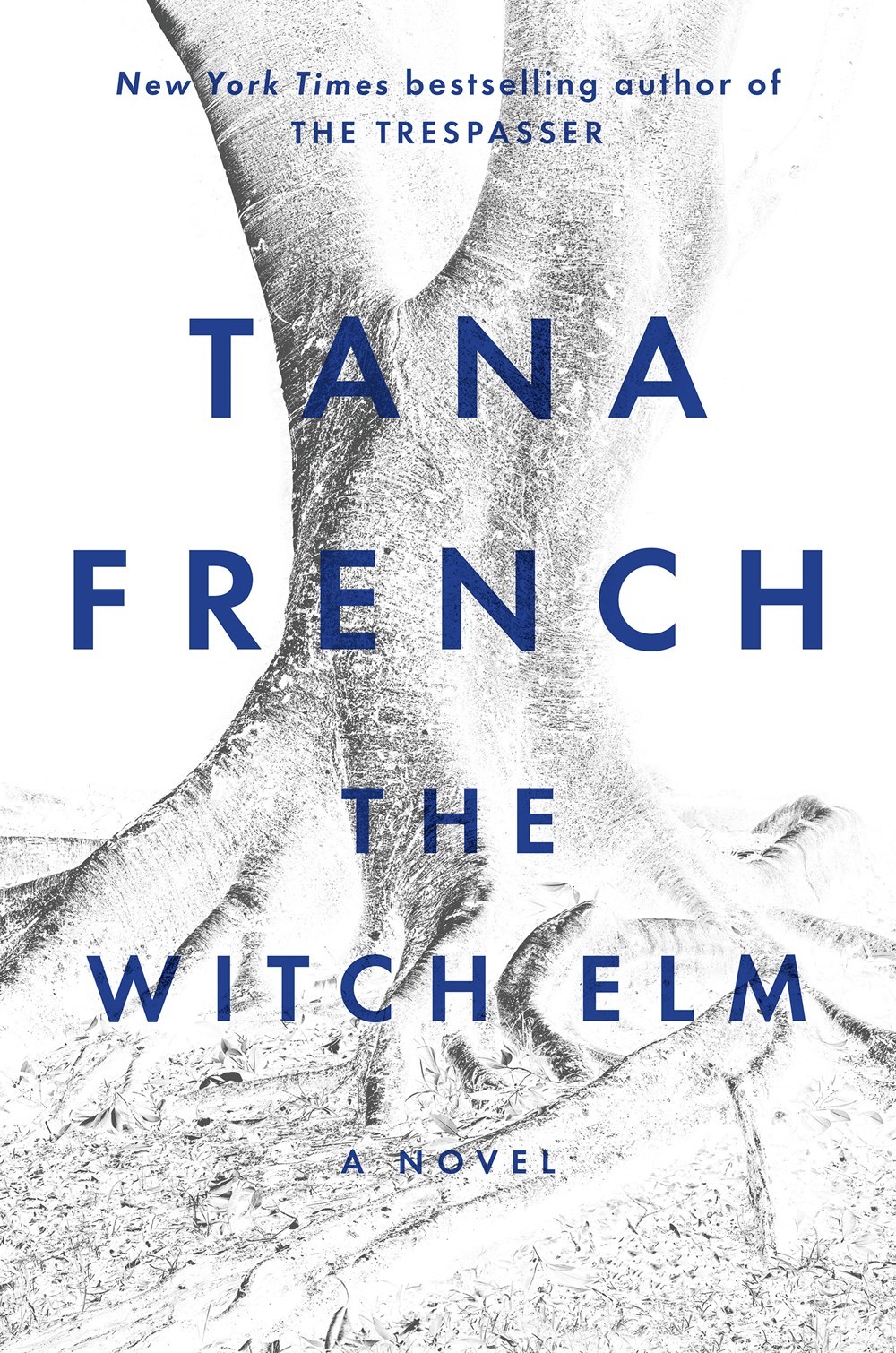
Keep reading for my full review of “The Witch Elm,” with The Quick & Dirty version at the end!
Review TW: Mention of assault and brain injury with associated symptoms
Synopsis
The Witch Elm is a piece of psychological fiction, told through the lens of its main character, Toby. The book takes place in Dublin, Ireland and is centered in and around Ivy House, the home of Toby’s uncle Hugo. Toby is struggling throughout the book with severe symptoms of a traumatic brain injury after he is assaulted by strangers in his home. Not long after the attack, Toby goes to live at Ivy House with his uncle, who is dying of brain cancer. While he is there, the skeletal remains of a human are discovered in the hollow of the elm tree in Hugo’s back yard. The subsequent investigation and slow discovery of connections between the deceased and the characters are at the center of the book’s plot.
The Good
I very much enjoyed the setting of the book and the strength of French’s writing in creating an atmosphere on the page that makes the reader feel nostalgic for Ivy House without ever having been there. There is something about the imagery that, alongside Toby’s vulnerability as he recovers, makes Hugo’s home feel like the safe place that we all yearn for as we grow up. Hugo’s character really brings this perception home. He’s the uncle that loves his niece and nephews like they’re his own children but still retains some “funcle” energy. His eccentricity matches that of Ivy House perfectly. What’s more, it further creates an atmosphere within the book of never being sure what is true or real or expected.
The Bad
As Toby narrates the story, the reader quickly becomes aware that his memories and perception are not to be trusted. His recall of both the recent and distant past is fragmented and the symptoms of his injury lead to a steadily increasing paranoia that further colors his inner monologue.
Because of all of all *gestures vaguely toward Toby’s brain,* I found the pacing of the book to be a strange combination of dragging and exhausting. While Toby’s thoughts pertaining to self-doubt and self-incrimination never seem to stop, the action in the book is actually extremely slow. It made me grumpy as I read. I felt a bit overstimulated myself and frustrated with Toby’s lack of linear thinking. In fact – it led me to really dislike Toby. I found him whiny and self-absorbed and struggled to empathize with him in the slightest. It quickly tanked my perception of the book as a whole.
Now because this is a space where I can safely present both sides of an argument, I’ll say this: I had a dear friend explain to me that everything I just complained about actually led him to feel much more connected to Toby. My friend explained that the mental health symptoms and thought patterns that plague Toby are very similar to ones that he has experienced in his lifetime. He feels like Tana French’s writing in this respect was spot-on and I can absolutely understand his reasoning! That said – it made me feel icky and I didn’t like it. Also – I will not apologize to Toby for not empathizing with him because he doesn’t deserve it, which leads me to another gripe.
SPOILER WARNING!
Discussion of the ending ahead.
The Ugly
Within the last two chapters…
What the what?! We have listened to Toby’s never ending monologue of self-pity for hundreds and hundreds of pages. We have been thrown against the proverbial walls of the plot with him while he tries to break through the barriers of his own brain damage. We have seen his cousins manipulate his lack of clear memory to their benefit. We have felt the panic and neediness with which he clings to his girlfriend like it’s our own codependence. We, as readers, have put in the work to survive until the end of the book! Why in the world does Tana French crush all of our hopes and dreams by only then dooming Toby to the existence he’s been fixated on avoiding?
Oh wow so Toby didn’t kill Dominic? Cool. There must be a fascinating explanation for who did. Oh, the explanation isn’t all that interesting? Well at least Toby is off the hook and can recover so we can stop listening to… wait… WHAT JUST HAPPENED?!
-actual quote from my brain as I finished the book
Needless to say, I am not a fan of the ending. I actually liked Detective Rafferty and having Toby suddenly fold in on himself and lash out violently after so long in recovery felt like a writing party foul. Before you say it – I realize that behavior like that can change suddenly during recovery from brain injuries. I still think it felt forced, like suddenly it was time to end the book and Tana French realized she had no plan.
Also, there was so much legwork done in developing the characters of Susanna and Leon (and Melissa, for that matter) that it would have been easy to come up with a good conspiracy that made everything go deeper and more twisted. Some (extreme) bullying and harassment – sure, egged on by Toby and his pal – led to a murder plot? Toby freaks out and kills a detective? The whole thing wraps up with an implied “brain damage got you out of the ultimate set of consequences even though what you did was significantly more heinous than the murder we’ve been focused on?” Oh and also he never learned his lesson about the art fraud in which he was complicit because he ended up being the “victim” in that story arc, too?
Not cool, Tana French. Not cool. For these reasons and also the fact that I can’t get Toby’s sniveling out of my head, I rate The Witch Elm: meh.
TL;DR



 Undercover Librarian
Leave a comment